Thanks.
I have a set of matching super historically authentic pants in the same pattern and material (with suspenders!) as well. I might even still fit in them, but I haven’t tried in a while.

Progenitor of the Weird Knife Wednesday feature column. Is “column” the right word? Anyway, apparently I also coined the Very Specific Object nomenclature now sporadically used in the 3D printing community. Yeah, that was me. This must be how Cory Doctorow feels all the time these days.
Thanks.
I have a set of matching super historically authentic pants in the same pattern and material (with suspenders!) as well. I might even still fit in them, but I haven’t tried in a while.
I usually attack it with a terrycloth and some Flitz. A little will go a surprisingly long way.
There are various methods of oiling, waxing, or otherwise preserving it afterwards. I prefer boiled linseed oil for that, personally.
In Ye Modern Times, you could also just make your mail out of something that doesn’t rust. I didn’t, though.

IIRC the whole thing about the land mines exploding when you step off of them is purely down to the Bouncing Betty or the German S-Mine, which saw widespread use and gained its infamy in WW2. They almost worked in the manner described, actually going off with a time delay rather than waiting until the hapless soldier removed his foot from the plunger. But they used a small lift charge to pop the main explosive up into the air a couple of feet and then went off, with the aim of shrapneling in a circle a whole group of soldiers passing by and not just whoever stepped on it. Obviously this wouldn’t work so well if someone were standing on it at the time.
The popular conception formed that they went off “after you stepped off of them,” which was true in most cases (who was going to just stand there like a nincompoop after you’d just triggered it?) and then Hollywood writers of the era just assumed that most or all landmines worked that way and wouldn’t let that misconception go. So now here we are.
Just slap a blue filter over that lens and you’re good to go.
In the original comic her neck was broken, and it’s not clear if it’s due to Spiderman’s failure at grasping physics or if the Green Goblin had already killed her before chucking her corpse off the bridge, but Peter Parker blames himself for it anyway.
And then there is specifically the night Gwen Stacy died.
The X-Wing is explicitly hyperdrive equipped. That’s also part of why it has an astromech droid seat in it (R2), apparently so the droid can handle the jump calculations. A lot of later technobabble in the expanded universe expounded on this after the fact, but I presume this decision was made on a snap basis specifically so Luke could go to Dagobah in his cool plane spaceship.
You get to make hyperspace jumps yourself in your X-Wing a few times, fittingly, in the X-Wing games.
What makes you think I’m not already similarly equipped?
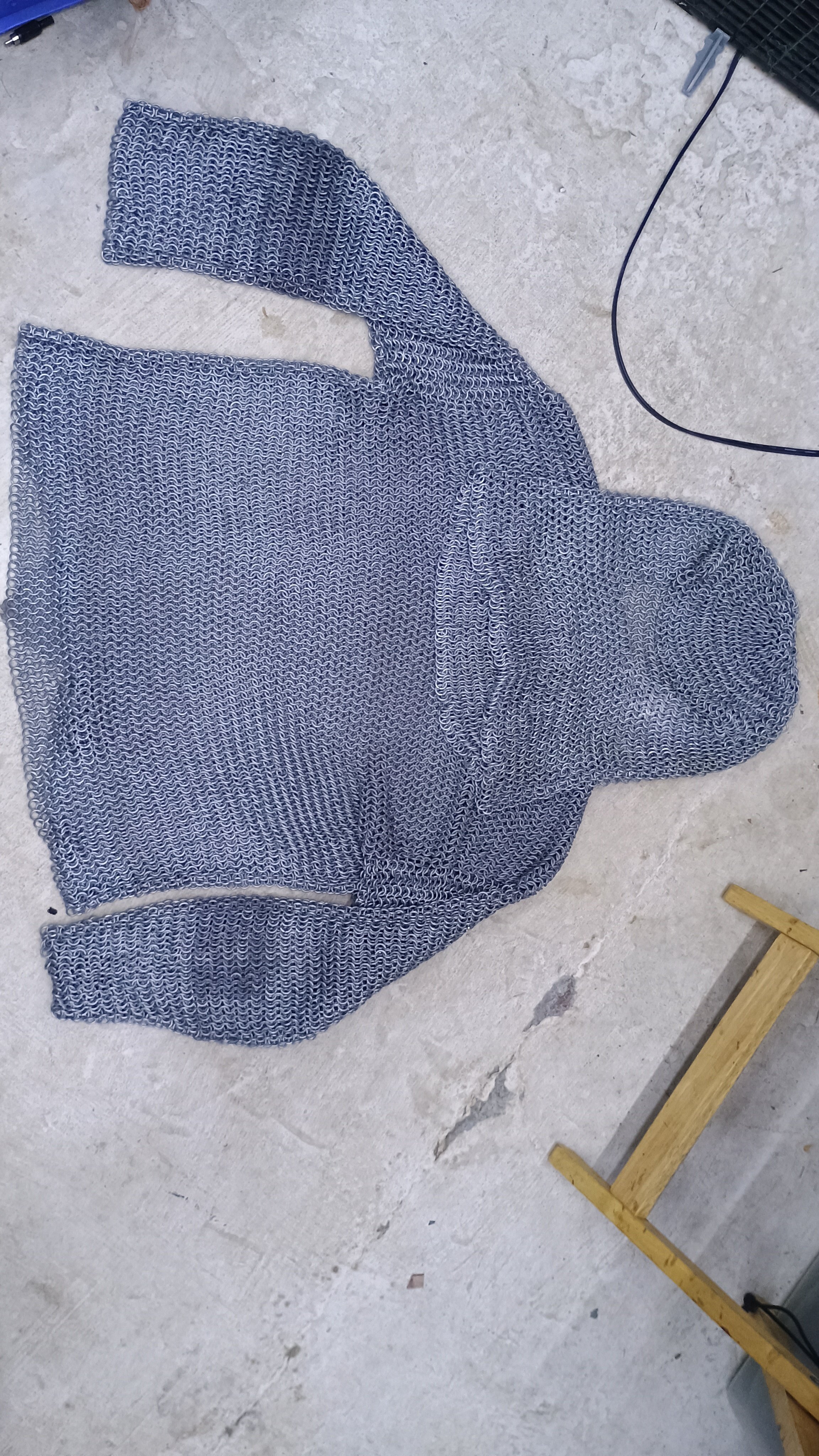
(Any good excuse to trot out this heavy bastard, which I don’t have occasion to do often enough anymore. It could really use a polish. There’s a project for the weekend…)

Given that I’ve consistently pirated Windows since I was tall enough to reach the keyboard, I am positive have never been in compliance with the Microsoft ToS. Somehow, I’m not too worried about it.
Sure, but it’s up from just a couple of years ago when Linux was sub 2%, and was hovering around only 1.5% in, say, 2020.
Y’all need to point me towards one of those tiny Linux systems. I have an old no-longer-bricked Toshiba Satellite that somebody gave me and I got it to boot again, so I slapped Mint on it to see how I liked it since I’ve never messed with that distro before. The only problem is this sucker is a dog, it’s only got 2 gigs of RAM and a pokey 5400 RPM platter drive in it. The thing sits there and thrashes swap constantly even when it’s doing nothing, and when Mint is creating one of its automated system image rollback things it’s completely unusable. I’m surprised the laptop platters don’t escape their casing and bore into the Earth like a drill bit.
I found that it will… eventually… load and run the latest FreeCAD build and once it’s going it’s actually not bad (awful screen resolution and single touch only trackpad notwithstanding). But getting there when taken altogether takes about 20 minutes…

I’ve always considered the six switch variant more iconic, but my six switch one is also the one I’ve got that doesn’t work. So there’s that.

When an eel lunges out and takes a bite from your snout, it’s a moray.

Seems like someone spent a little too much time studying the blade.

Weight is really the only reason, but even then I think that’s self-defeating on a bicycle.
Believe it or not, a chain and sprocket drive is actually the most efficient method in terms of energy transmission losses. And when it’s you physically pedaling your bicycle, that’s kind of important. Turning any significant fraction of your pedaling input into heat rather than forward locomotion is kind of a raw deal, which is why even fancy high end bicycles are still chain driven even to this day. A chain drive loses 1-4% of energy in the driveline whereas as comparable belt drive is more in the order of 9-15%.
From squinting at it, all the blocks appear to be 8x8.
I already have it, and the source code. It’s too late for Nintendo.
This port scales the graphics down to the GB’s resolution. I imagine it takes a lot of CPU cycles just to rearrange the graphics data into the Game Boy’s 8x8 tile structure in display RAM. Either that, or it’s precomputed and the ROM is huge.
What would make anyone think they’re downscaling graphics in real time on the Gameboy of all things? The graphics have been flat out redrawn to better fit the Gameboy’s lower screen resolution.
For anyone wondering, here’s the first little bit of what 1-1 looks like:

Look at that doofy goomba.
INB4 “But Mario Bros. DX already exists.”
I dig how the graphics have been reworked and tile size reduced to provide roughly the same field of view as on the NES.



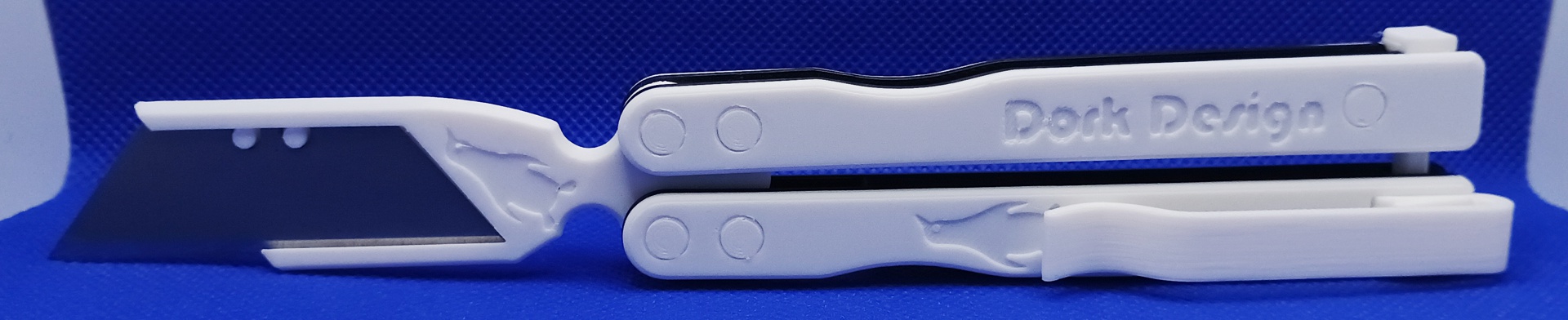
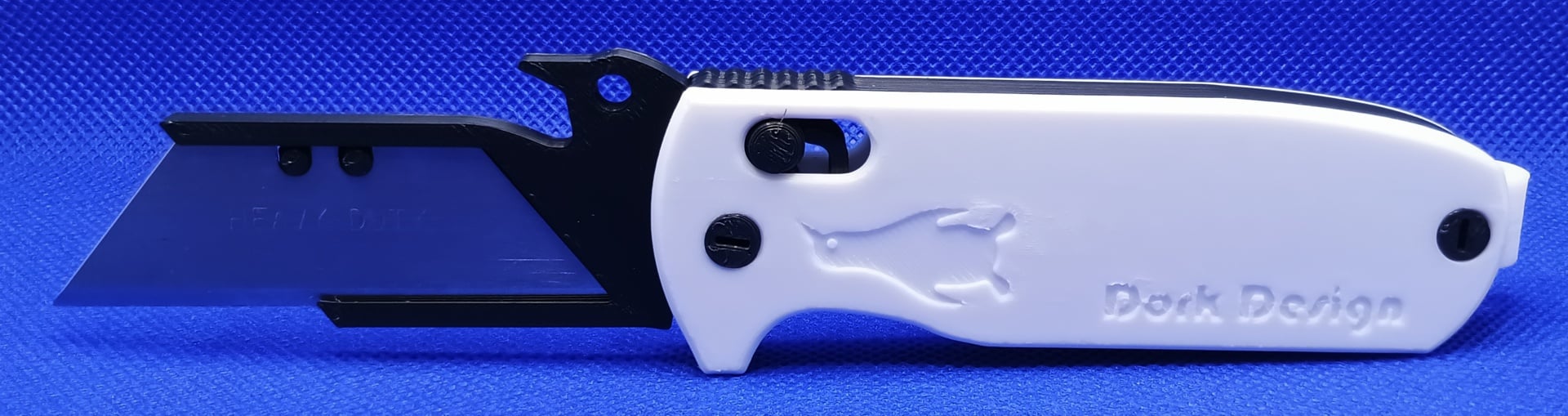



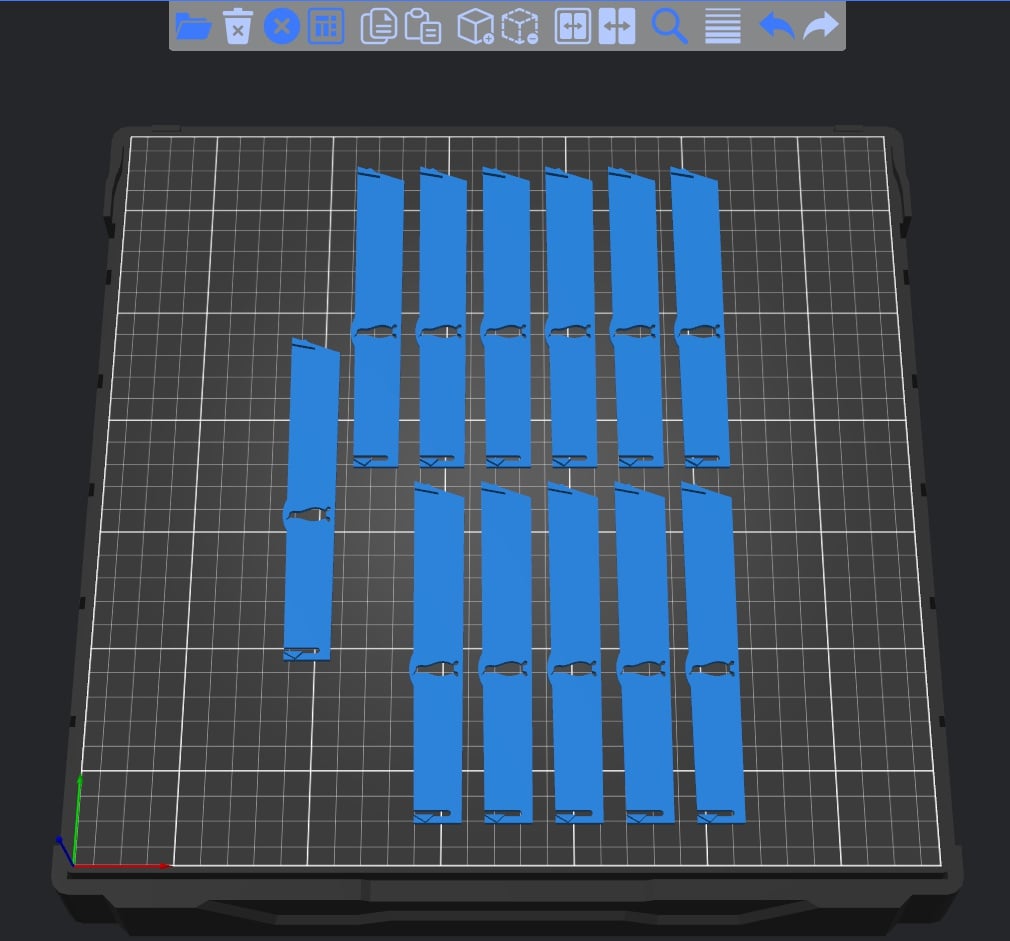


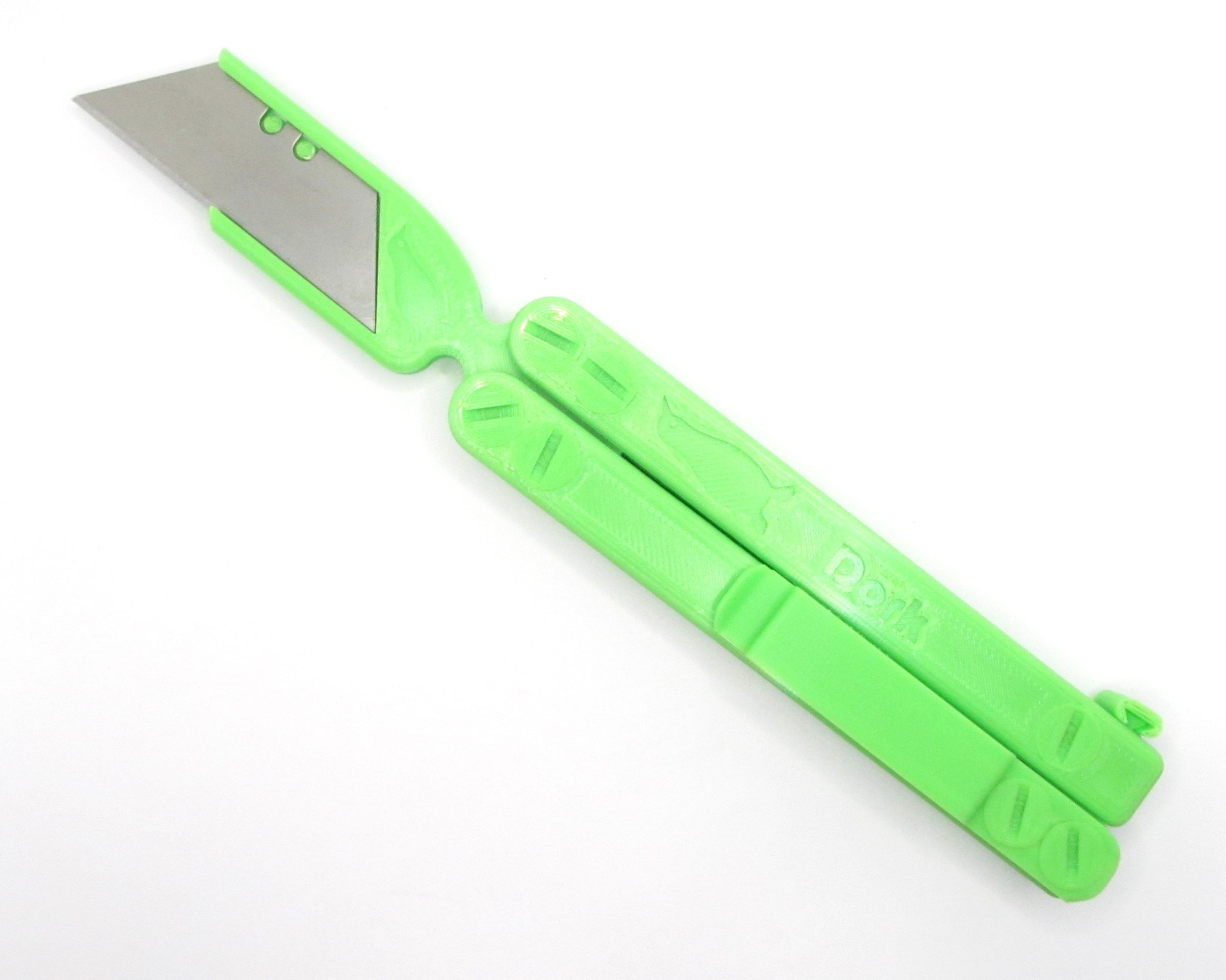
As long as you stay within its plastic deformation limit, “many cycles” should not matter.
PLA’s downfall for flexible design elements is permanent deflection. It cannot be used on anything that is expected to stay in its tensioned state for anything more than a few seconds. This is why PLA works for catapults and toothpick guns and latches that have a single position rest state where the flexible element is relaxed. If you leave it under tension, though, even just for a few hours, it will not spring back fully. Eventually, it just won’t spring back at all.
Through much testing (read: slowly pissing myself off) I determined in the course of developing my Rockhopper that ABS is the best commonly available choice for permanently or semi-permanently loaded printed spring fixtures – at least out of what most normal and sane people can print with their hobby level machines. Even PETG is better than PLA in that respect, but PLA was useless for me.