HailSeitan@lemmy.world to Apple@lemmy.world · 6 days agoEven Apple finally admits that 8GB RAM isn't enoughplus-squarewww.xda-developers.comexternal-linkmessage-square4fedilinkarrow-up141
arrow-up141external-linkEven Apple finally admits that 8GB RAM isn't enoughplus-squarewww.xda-developers.comHailSeitan@lemmy.world to Apple@lemmy.world · 6 days agomessage-square4fedilink
minus-squareHailSeitan@lemmy.worldtoPolitical Memes@lemmy.world•Done and done.linkfedilinkarrow-up21·7 days agoNo part of the law prohibits having, say, a Pride-themed Ten Commandments printed on a leather daddy’s naked chest in glorious Comic Sans. linkfedilink
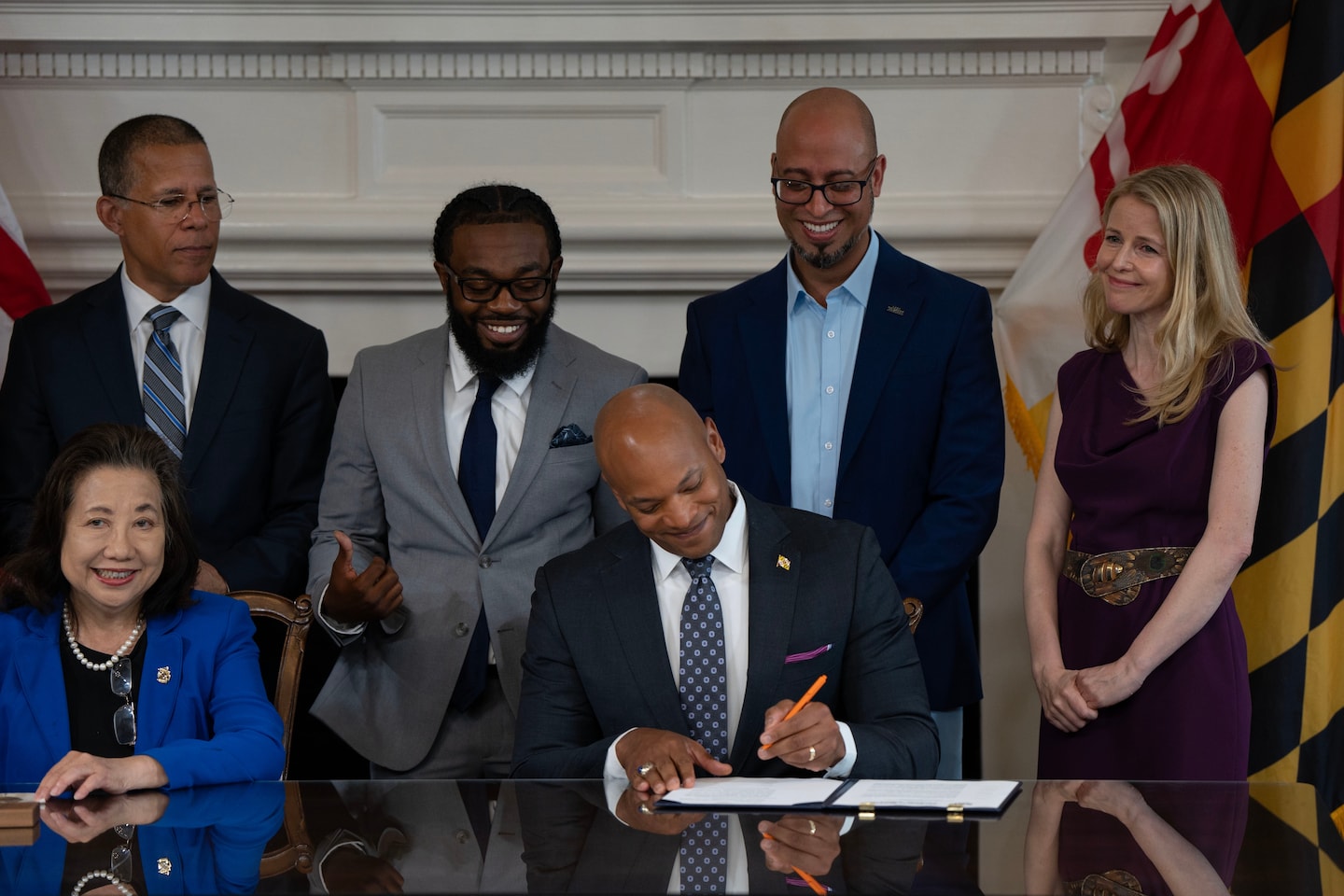
HailSeitan@lemmy.world to Uplifting News@lemmy.worldEnglish · 14 days agoMaryland governor to pardon 175,000 marijuana convictions in sweeping orderplus-squarewww.washingtonpost.comexternal-linkmessage-square2fedilinkarrow-up1264
arrow-up1264external-linkMaryland governor to pardon 175,000 marijuana convictions in sweeping orderplus-squarewww.washingtonpost.comHailSeitan@lemmy.world to Uplifting News@lemmy.worldEnglish · 14 days agomessage-square2fedilink
minus-squareHailSeitan@lemmy.worldtotumblr@lemmy.world•has black mesa made a statement?linkfedilinkarrow-up6·1 month agoSo, Target? linkfedilink
minus-squareHailSeitan@lemmy.worldOPtoPrivacy Guides@lemmy.one•NYT's new TOS binds you to forced arbitration; opt out within 30 dayslinkfedilinkEnglisharrow-up20·2 months agohttps://www.consumerreports.org/mandatory-binding-arbitration/forced-arbitration-clause-for-concern/ linkfedilink
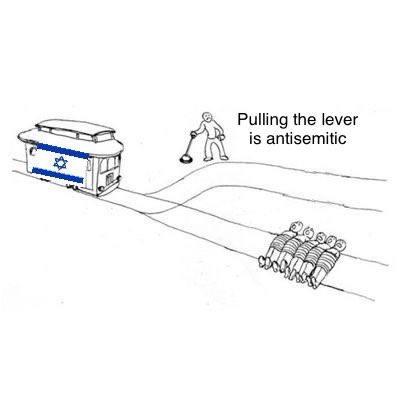
HailSeitan@lemmy.world to Political Memes@lemmy.world · 2 months agoWhat a dilemmaplus-squarelemmy.mlimagemessage-square0fedilinkarrow-up12
arrow-up12imageWhat a dilemmaplus-squarelemmy.mlHailSeitan@lemmy.world to Political Memes@lemmy.world · 2 months agomessage-square0fedilink






No part of the law prohibits having, say, a Pride-themed Ten Commandments printed on a leather daddy’s naked chest in glorious Comic Sans.